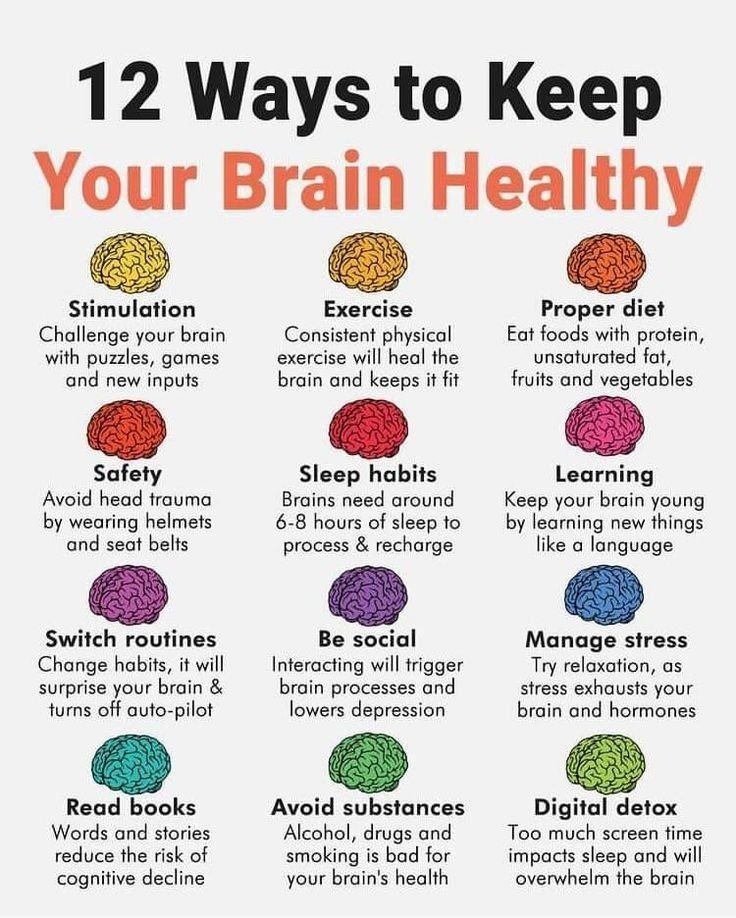
Taking care of your heart is essential for a long and healthy life. Fortunately, there are several simple yet effective steps you can take to ensure your heart stays in good shape. According to the Heart Research Institute, regular check-ups with your healthcare provider are crucial for monitoring your heart health. These check-ups can help identify any potential issues early on and allow you to make necessary lifestyle changes.
Diet plays a significant role in heart health. The American Heart Association emphasizes the importance of a balanced diet rich in fruits, vegetables, whole grains, lean proteins, and healthy fats. Recent research from Harvard T.H. Chan School of Public Health found that adherence to healthy eating patterns can significantly reduce the risk of cardiovascular disease. Simple dietary changes, such as swapping white bread for whole grain versions or using herbs and spices instead of salt, can make a big difference.
Regular physical activity is another key factor in maintaining a healthy heart. The Indiana University School of Medicine recommends at least 30 minutes of light exercise per day, such as walking, jogging, or swimming. Exercise not only strengthens the heart muscle but also helps maintain a healthy weight and lowers blood pressure.
Managing stress is also vital for heart health. Chronic stress can lead to higher levels of inflammation, which may contribute to heart disease. Finding ways to relax, such as through exercise, meditation, or spending time with loved ones, can help reduce stress and its negative effects on the heart.
Getting enough sleep is another important aspect of heart care. The Mayo Clinic suggests that adults should aim for seven to nine hours of sleep per night to help reduce heart disease risk factors.
Quitting smoking is one of the most impactful changes you can make for your heart health. Smoking increases the risk of heart attack and stroke, but quitting can quickly reduce these risks.
Limiting alcohol consumption is also beneficial. Excessive alcohol intake can lead to high blood pressure and damage to the heart muscle. It’s recommended to stay within the guidelines of no more than 14 units per week for both men and women.
Finally, maintaining a healthy weight is crucial. A high BMI or waist circumference is linked to a higher risk of cardiovascular disease. Combining a balanced diet with regular exercise can help manage weight and support overall heart health. By incorporating these steps into your daily routine, you can significantly improve your heart health and reduce the risk of heart-related issues.