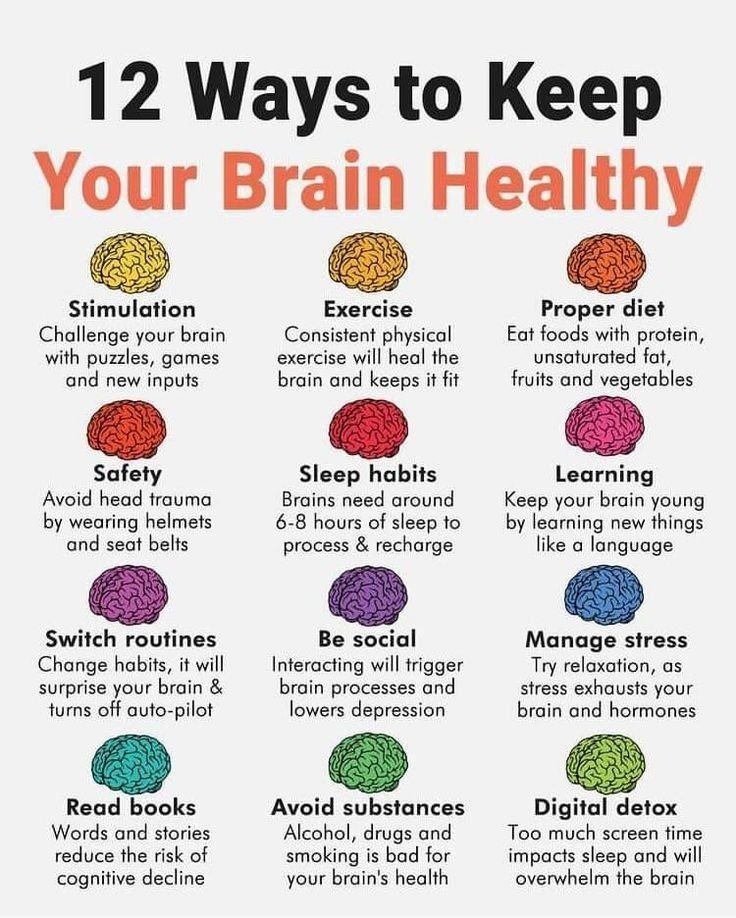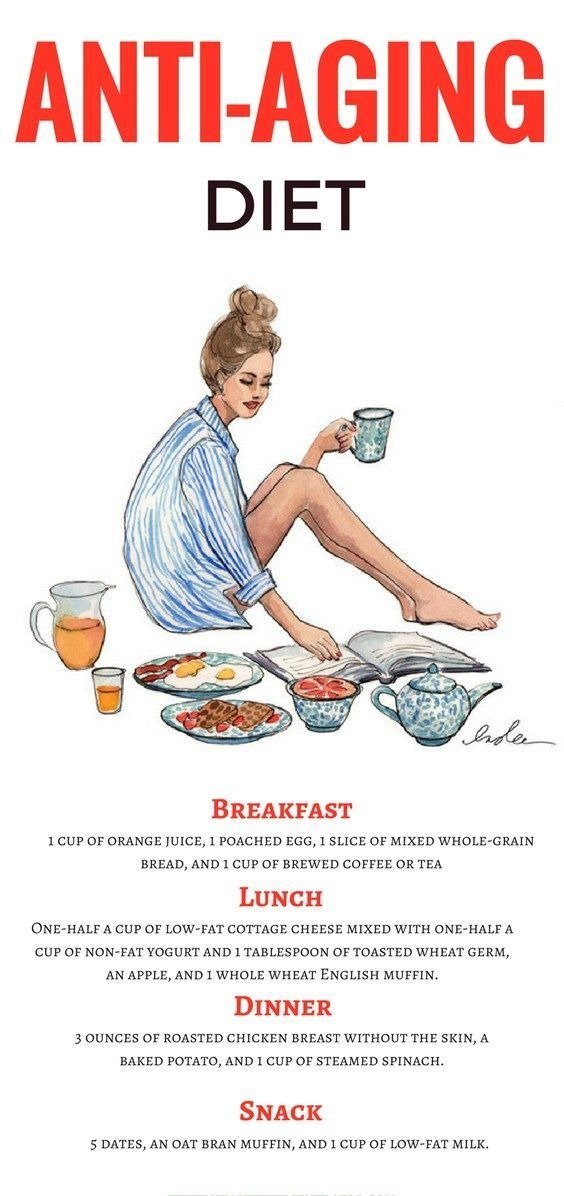
Aging is a natural process, but the way we age can be significantly influenced by our lifestyle choices, particularly our diet. Recent studies have delved deeper into the relationship between diet and aging, revealing that certain dietary patterns and nutrients can slow down the aging process and promote healthy longevity. The Mediterranean diet, rich in fruits, vegetables, whole grains, legumes, nuts, and olive oil, has long been hailed for its health benefits. Recent research underscores its role in promoting healthy aging. This diet is associated with a reduced risk of chronic diseases such as cardiovascular disease, diabetes, and neurodegenerative disorders. The protective effects are attributed to its anti-inflammatory and antioxidant properties, which help combat cellular damage and oxidative stress.
Plant-based diets, which emphasize fruits, vegetables, legumes, and whole grains, have gained attention for their potential anti-aging benefits. These diets are rich in fiber, vitamins, and antioxidants, which contribute to better metabolic health and reduced inflammation. Studies have shown that individuals following plant-based diets have lower levels of biomarkers associated with aging, such as C-reactory protein (CRP) and advanced glycation end-products (AGEs). Contrary to some popular beliefs, recent research suggests that carbohydrates, especially complex carbohydrates, can play a positive role in aging. A study found that healthier diets rich in carbohydrates were linked to slower aging and improved brain health. This challenges the notion that low-carb diets are universally beneficial and highlights the importance of carbohydrate quality.
Intermittent fasting has emerged as a promising strategy for healthy aging. This dietary approach involves cycling between periods of eating and fasting. Research indicates that intermittent fasting can improve metabolic health, reduce inflammation, and enhance cellular repair processes. It may also promote autophagy, a process where the body removes damaged cells and recycles their components, which is crucial for maintaining cellular health. Incorporating nutrient-dense foods into your diet is essential for anti-aging. Foods rich in vitamins, minerals, and antioxidants, such as berries, leafy greens, nuts, and seeds, can help protect cells from damage. These foods also support the body’s natural detoxification processes and promote overall health.
The gut microbiome, the community of microorganisms living in the gut, plays a crucial role in aging. A healthy gut microbiome is associated with better immune function, reduced inflammation, and improved metabolic health. Diets rich in fiber and fermented foods, such as yogurt and sauerkraut, can help maintain a balanced gut microbiome, which in turn supports healthy aging. Implementing an anti-aging diet doesn’t have to be complicated. Start by incorporating more whole, unprocessed foods into your meals. Focus on a variety of fruits and vegetables, whole grains, lean proteins, and healthy fats. Limit your intake of ultra-processed foods, which are often high in added sugars, unhealthy fats, and artificial additives. Staying hydrated and managing stress are also important components of a healthy lifestyle.
The latest research on anti-aging diets emphasizes the importance of a holistic approach to nutrition. By adopting a balanced diet rich in plant-based foods, healthy fats, and nutrient-dense ingredients, you can support your body’s natural aging processes and promote overall health. Remember, the key to healthy aging lies not only in what you eat but also in how you live. Regular physical activity, adequate sleep, and stress management are equally important for a youthful and vibrant life.